Sunday, 21 July 2013

Shogun 2 Total War - A Negau Review


Shogun 2 Total War is a game about the rise and fall of the Japanese Samurai. We recently published a list of our Top 10 Best Martial Arts Films, so staying on the topic of martial Japan we bring you a Shogun 2 Review. Interesting to note is the fact that Total War will be releasing another sequel game, Rome 2 Total War later this year.

The history behind Shogun 2

Find below a clip from the film 13 Assassins. The film gives a good idea of what Shogun 2 is about... Samurai warriors fighting in feudal Japan. We here at Negau watched it only recently, otherwise it might have made it into the Top 10. Feudal Japan was ruled by an emperor, through the military power of the Shogun. The campaign map is split between numerous historical factions, each led by a daimyo.


What is the Shogun 2 Gameplay Like?

Here's a video that will show you one of the biggest differences between Shogun 2 Total War and its predecessors. The sieges are far more complex, with the AI often encircling your fortress and attacking from multiple directions. Armies can also penetrate defences by climbing walls, burning gatehouses or using artillery.


What is the Best Element of Shogun 2?

Our favourite part of Shogun 2 is in The Fall of the Samurai expansion, which includes the option to fire artillery in first-person. You can adjust the height of the artillery piece, fire a round and watch as it soars towards your foes and finally explodes among them.


Where can you buy Shogun 2?


Joe Malpas

Tuesday, 16 July 2013

Top 10 Best Martial Arts Films - Reviews and Videos

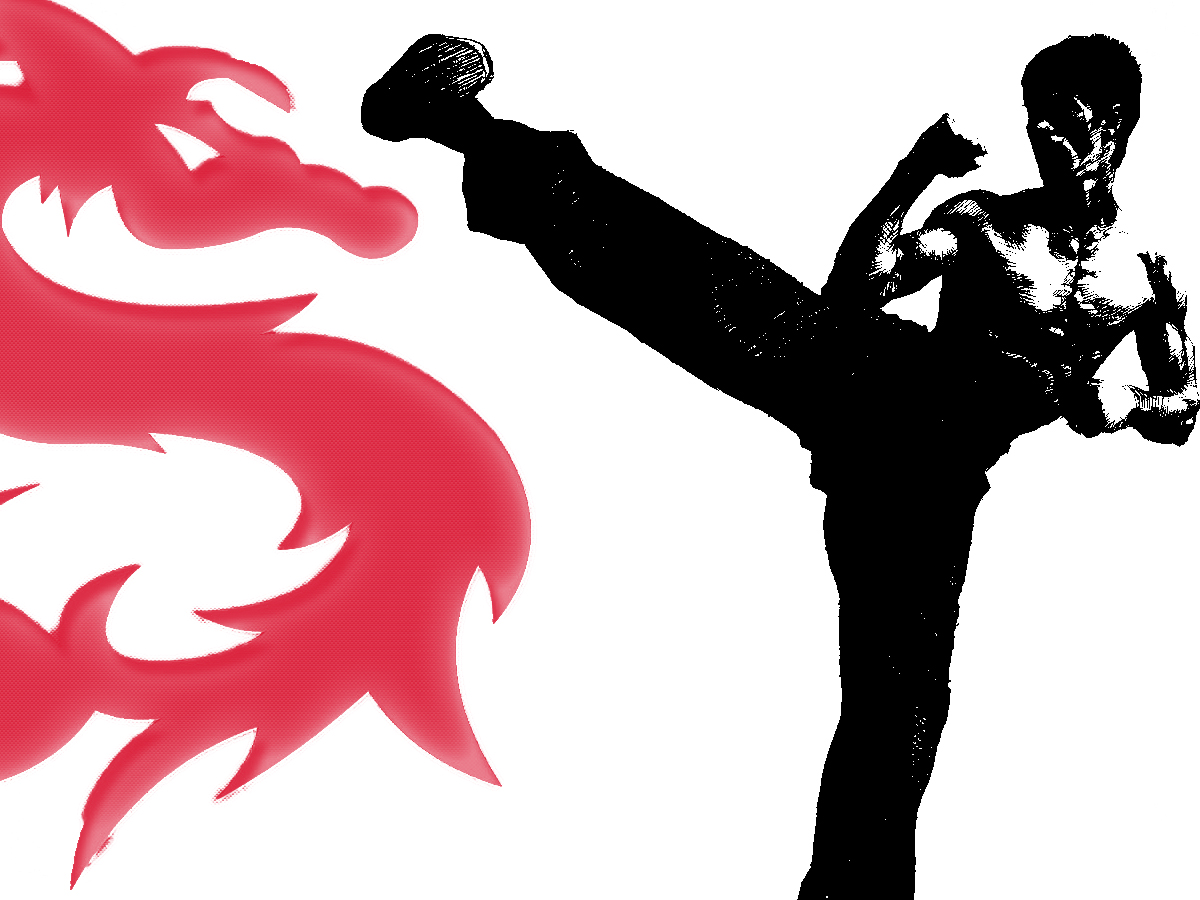
Bruce lee

10. Kagemusha

A samurai film with an emotional plot. A nobody is hired as a double for one of the most powerful samurai warlords in Japan, Takeda Shingen. However, when Takeda dies, how long will it take before his enemies and allies figure out the double's true identity?

9. Red Cliff

This is a must-see martial arts film for anyone with an interest in China's Three Kingdom's period or fans of the Dynasty Warriors series. The armies of Xu and Wu desperately try to hold back Cao Cao's imperial army and navy. Battles on epic scales and engrossing characters.

8. Kill Bill: Vol. 2

The sequel to Kill Bill: Vol. 1, this is a fine example of how well the genre of martial arts films mixes with revenge-based scripts. But does the sequel ever live up to the standards of its predecessor? In this case, probably not. But here's a video of how to stop a heart with one hand!

7. Kill Bill: Vol. 1

This film beats its sequel by quite a margin. One of the modern martial arts film greats, Uma Thurman is more than just eye-candy, wielding a katana like a pro. Here's the famous scene where she takes down 88 bad guys in a fight.

6. Ip Man 2

Another sequel which very nearly holds its own with the original Ip Man. This martial arts epic only missed out on being in the top 3 due to the number of near-perfect movies clamouring for the top spot.

5. House of Flying Daggers

The House of Flying Daggers film is one of the best choreographed movies we've seen. Stunning scenery and breathtaking fight scenes ensure that it has earned this spot at Number 5 on the Top 10 list. To give you an idea of what we're talking about, here's our pic of best clip.

4. Hero

Number 4, for an awe inspiring combination of fantastic scenery and dynamic fights, all woven into an incredible plot, check out Hero. Here is the final scene, which was just too good to leave out!

3. Crouching Tiger, Hidden Dragon

Another oldie, Crouching Tiger, Hidden Dragon is a must-see for martial arts films enthusiasts. Memorable scenes involving running up walls (in a more-believable-than-The-Matrix) kind of way and through treetops combined with a riveting plot secure this old-time favourite a spot at Number 3. Watch the video below for some really fast-paced action showing what a girl can really do with a sword (couldn't keep up eh, Kill Bill?).

2. Ip Man

Number 2 and the first Ip Man film, the story still gets me. A tale of China under Japanese occupation and one man's fight against oppression. Ip Man moves hands and feet faster than the human eye can follow in this hit epic martial arts film. Otherwise, I'll let the following video speak for itself.

1. Fist of Fury

The best out of all martial arts films. Bruce Lee plays the part of a young man looking to take revenge on his sensei's murderers in this 1970s film. The best scene in the film is the final segment when Bruce Lee forces his way through his enemy's compound with a storm of kicks, punches and blocks.

What's your Top 10? Leave a comment letting us know your opinions :)

Joe Malpas, also on WordPress

Monday, 15 July 2013

Napoleon Total War - Review

Link

What is Napoleon Total War about?

The Napoleon Total War game is set during the Napoleonic Wars. You play the game on two levels: the campaign map and battle map. On the campaign map you control regions, cities, towns, navies, armies and agents. You also control the government of your faction, including tax rates and ministers. On the battle map you controls units of soldiers or ships as your army or navy tries to defeat the enemy.
Link


Napoleon Total War - Napoleon's Campaigns

Napoleon's Campaigns features a few of Napoleon Bonaparte's most dramatic campaigns. These include the Italian Campaign, Egyptian Campaign, Europe and finally the Battle of Waterloo. These campaigns are great fun for Total War veterans and novices alike. The Napoleonic French armies benefit from the massed fire of their cannon batteries, hard-hitting bayonet charges from infantry columns and some superb light cavalry who fire their carbines from horseback. You also get to take on all of the major players of the period such as Great Britain, Austria, Russia, Prussia and the Ottoman Empire, as well as some interesting smaller nations.
Link


Napoleon Total War - Campaigns of the Coalition

This aspect of the game lets you take control of a leading faction in the coalition against Napoleon, Great Britain, Austria, Russia or Prussia, and lead their armies against the Napoleonic threat. You can sail the powerful navy of Great Britain against the combined fleets of France and Spain in a recreation of the Battle of Trafalgar, defend to the last man the aged empire of Austria in epic set-piece land battles, drag horse and cannon across the steppes of Russia to lend much-needed aid to your allies, or turn the tide against Bonaparte with the Prussian infantry - the best drilled and equipped infantry in Europe.
Link


Napoleon Total War - Napoleon's Battles

You can also take a leading role in one the major battles of the Napoleonic Wars. These can be played at varying difficulties but each provides unique tactical or logistical challenges to the would-be Emperor of the French.
Link


Napoleon Total War - The Peninsular Campaign

A new update/expansion for Napoleon Total War, this introduces lots of new elements to all levels of the gameplay. The Peninsular Campaign is set in Spain and Portugal during Spanish resistance to French occupation which took place during the late stages of the Napoleonic Wars. Choose to play as either the Spanish, French or British as they struggle for control of the Iberian Peninsula. New agents are available on the campaign map, allowing you to convert enemy settlements' populations. Guerilla tactics also play a large part on all levels, as you lay ambushes with you armies on the campaign map and set traps with a few guerilla units in the midst of a battle.
Link
Other articles you might enjoy: Public Transport Dos and Don'tsWar and Peace book reviewFreelance Writing OnlineThe US gun laws debateGTA 5The Great GatsbyNCIS news and reviewTrayvon Martin caseBritish SummerGeorge Zimmerman verdictRome 2Iron Man 3War and Peace debate

Joe Malpas

Favourite picture of the day!

The Napoleonic Wars - A Brief History

Link

What were the Napoleonic Wars?

The Napoleonic Wars were a series of conflicts fought between various European alliances and coalitions while Napoleon Bonaparte was the ruler of France. These wars spanned the European continent from Spain to Moscow by land, and across the known world by sea. They have been portrayed in films, games and literature (see War and Peace review and debate).

Who fought in the Napoleonic Wars?

The Napoleonic Wars were fought between France, Great Britain, Austria, Russia, Spain, Prussia, other Germanic nations and many other smaller parties or countries with a lesser involvement.

Who were France's allies in the Napoleonic Wars?

-Spain
-Italy
-Holland
-Naples
-Switzerland
-Denmark
-Ottoman Empire

Who did France fight against in the Napoleonic Wars?

-Great Britain
-Austria
-Russia
-Prussia
-Portugal
-Sicily
-Hannover

Important notice: the above are not complete lists. Numerous smaller nations were pulled into the conflict and countries often changed sides.
Link


Battles of the Napoleonic Wars

The Battle of Trafalgar. This was a large naval battle which occurred at the start of the Napoleonic Wars. It was fought between Great Britain under Horatio Nelson and an alliance between France and Spain under Pierre-Charles Villeneuve. It was a crucial victory for Great Britain which gave them naval superiority and ended plans for a French invasion of Britain.
The Battle of Austerlitz. Also known as the 'Battle of the Three Emperors', the Battle of Austerlitz was a land battle fought by France under Napoleon against a Russian and Austrian alliance. The Russian force was led by Tsar Alexander I and Mikhail Kutuzov, while the Austrian forces were commanded by Emperor Francis II. The combined Russian and Austrian armies were defeated and forced to retreat. This French military victory led to the collapse of the Third Coalition.
The Battles of Jena and Auerstadt. These battles saw the French Empire win victories of two Prussian armies during the same day. Napoleon led the victorious French army at Jena, while Davout led another French army at Auerstadt. As a result of these victories, Napoleon's armies captured Berlin and pushed Prussia out of the Fourth Coalition.
The Battle of Borodino. This battle was fought between Napoleon's French invasion force and Kutuzov's Russian army. It is debatable which side won the battle, as the French captured the main positions on the battlefield but the Russian army was able to withdraw without being destroyed. The Battle of Borodino led to the capture of Moscow by the French. However, it may have also caused the eventual destruction of Napoleon's army.
The Battle of Waterloo. Napoleon led the French army in this battle which took place in present-day Belgium. The French faced a combined British, Prussian, Dutch, Hannoverian, Nassau and Brunswick force. The British army and its smaller allies were commanded by the Duke of Wellington, Sir Arthur Wellesley, while the Prussian army was led by Gebhard von Blucher. The British and allied army was able to hold off the French forces until the Prussian army arrived to attack Napoleon';s army in its flank. The British, Prussian and allied victory ended the Napoleonic Wars. It also led to the exile of Napoleon and the end of his French Empire.
Battle of Waterloo


Other articles you might enjoy: Public Transport Dos and Don'tsWar and Peace book reviewFreelance Writing OnlineThe US gun laws debateGTA 5The Great GatsbyNCIS news and reviewTrayvon Martin caseBritish SummerGeorge Zimmerman verdictRome 2Iron Man 3War and Peace debate

Joe Malpas

Best App for iPhone

Link

Our Top App Purchase for iPhone

Our favourite app for the iPhone is Instant Heart Rate by Azumio. This heart rate monitor can be downloaded from the app store on the iPhone or iTunes.

What is the iPhone Instant Heart Rate Monitor?

The Instant Heart Rate app allows users to check their heart rate on their mobile phone. You can see your pulse on the screen, track your heart rate over time and monitor your health. If you play sports or exercise regularly, this iPhone app is great for allowing you to check how fast your heart is beating before, during and after a workout. For those more interested in their long-term health, you can use the app to keep track of changes to your resting heart rate day-to-day, week-to-week or on a longer-term basis.

Link
Features of the iPhone Instant Heart Rate Monitor App

The app is easy to use, all you have to do is place the tip of your finger over your iPhone camera and wait a few seconds while your heart rate is recorded. You can export your heart rate data and share it on Twitter or Facebook. There are also hashtags which allow you to record the situation of each heart rate record, each hashtag is listed below:
-Post-workout.
-Tired.
-Resting.
-Just woke up.
-Before bed.
-Exercising.
-New tag. You can use this option to create your own custom tags.

Joe Malpas


'War and Peace' - Debate and Review

Link

Why are we reviewing War and Peace again?

Last week Negau published a review of War and Peace, and here we are writing about it again, why? There are a couple of reasons why we thought a follow-up needed to be written:

-The review was our most popular article and we want to give our readers more of what they like. It's all about you guys here at Negau, so we'll keep writing about the articles you enjoy.

-There has also been a lot of debate about violence in society following the George Zimmerman trial, our coverage of which can be found here and here, with opinions from my blog partner Alina here. The rationality and morality of violence are considered throughout War and Peace. It seemed to us that if people want to know why lives are being taken in the present, they need look no farther than a book describing one of the most bloody periods of history.

Why is War and Peace still relevant today?

War and Peace is a historical novel set during the Napoleonic Wars, for a full plot description see our previous article. The Napoleonic Wars saw countless people killing others and losing their own lives attempting to satisfy the ambitions of powerful individuals, or so the history texts tell us, but was this due to the whims of the social elite or the unavoidable instincts of the masses? Answers to questions such as these would help us to understand why members of one social/racial/political group kill people who they see as belonging to the 'other'.

What are Tolstoy's views on war in War and Peace?

Tolstoy does not present war in the same way as conventional histories or historical novels. His view of war and human violence is that it is the product of irresistible movements by the masses, one group of people moves in one direction and if another group opposes that movement violence results. Tolstoy uses the Napoleonic invasion of Russia as an example of this. The people of the West (Napoleon's armies) were driven eastwards by an unknown force acting upon their collective subconscious, and at first the people of the East (the Russian Tsar's armies) gave way before them. Later, however, the people of the West grew fatigued, lost the desire to move eastwards which had motivated them and the people of the East turned to oppose the West's advance. At this point bloody conflicts resulted and the tables were turned, with both the people of the East and West advancing towards Western Europe at a frantic pace.

Link


George Zimmerman and Trayvon Martin, racial tension in the US

Tolstoy's views in War and Peace go some way towards explaining the violence taking place in the US this past year. The actions of George Zimmerman in 2012, when he fatally shot African American teenager Trayvon Martin, could be explained by this shared subconscious and mass-movements theory. The US is a country with a history mired by racial segregation and discrimination. There is still a large amount of underlying racial tension in US society to this day. Trayvon Martin was shot under unknown circumstances while walking through a gated community where he was staying. In recent years, due to reductions in racial segregation, young African Americans have begun to fill professional roles in the US economy. As a result of this, the numbers of African Americans living in communities such as the one in question have increased. Twenty, thirty or forty years ago such figures would have been almost non-existent. Therefore, one can say that there have been the beginnings of a mass-movement of African American people to what were previously segregated areas. George Zimmerman's subconscious opposition to this movement (it has been argued that he racially profiled Trayvon Martin) might have motivated the violence which took Trayvon's life.

Conclusion

The truth is that nobody will ever know what really happened on the night when Trayvon Martin was killed. Only one person survived the encounter and he has every reason to lie, while we have no way of knowing whether he is telling the truth. It is therefore important that we focus on understanding the underlying issues rather than the isolated incidents which they produce. War and Peace is a fantastic book for fans of history or literature, but also an important work to read in attempting to understand the world better.

Joe Malpas